Rethinking Peak Performance in a People-First Workplace
Peak performance starts with people, not process
As companies accelerate investments in artificial intelligence and digital transformation, business leaders are being reminded of a more fundamental driver of performance: people.
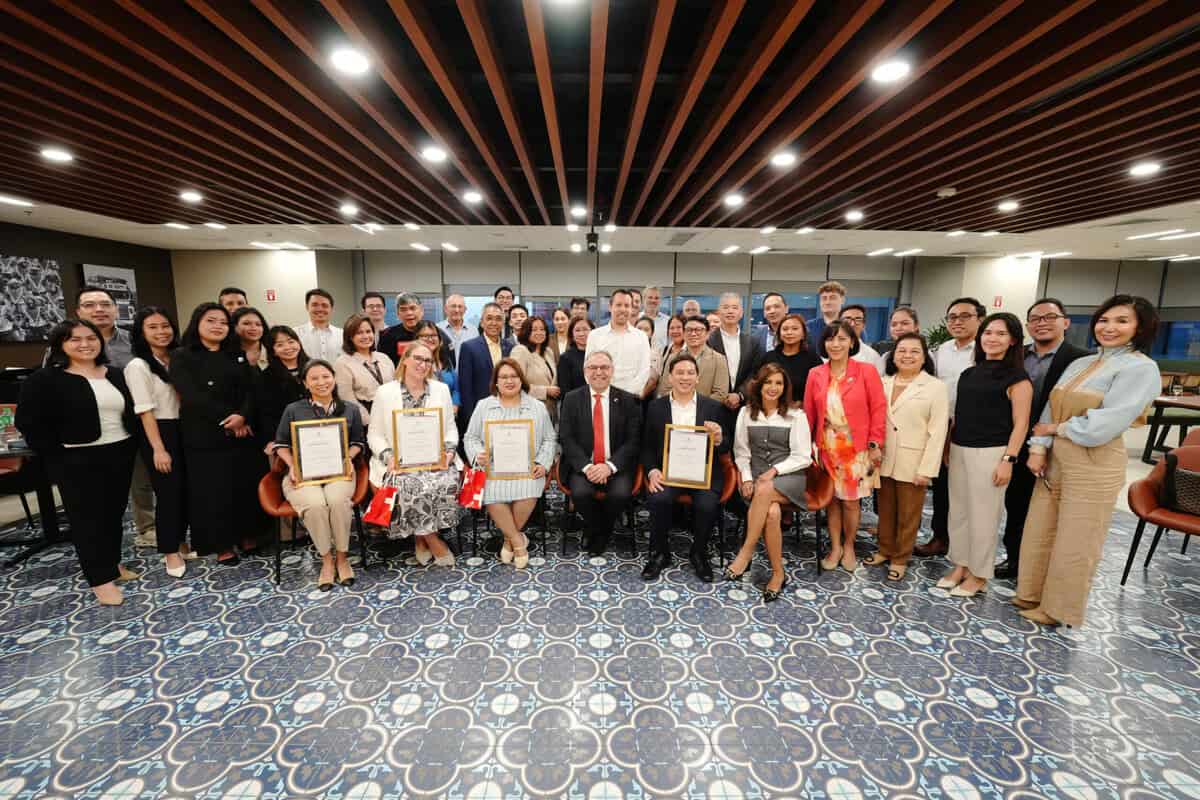
That was the central message at the opening session of the Leadership Conversations Series: Peak Performance in Practice, convened by the Swiss Chamber of Commerce of the Philippines in partnership with Partners Group on 11 March 2026 at Seven/NEO in Taguig.
Opening the session, Ambassador of Switzerland to the Philippines H.E. Dr. Nicolas Brühl underscored the importance of strengthening leadership and collaboration between the public and private sectors, particularly as organizations navigate an increasingly complex and fast-changing business environment.
“Technology will continue to enable us, but people will continue to lead organizations,” said Gilbert Camasura, People Management Association of the Philippines (PMAP) President, setting the tone for a discussion that focused less on systems and more on leadership behavior.
Across the session, speakers pointed to a common challenge facing organizations today: while tools and technologies continue to evolve rapidly, many companies are still grappling with disengaged employees, shifting workforce expectations, and the need to build more adaptive, resilient teams.
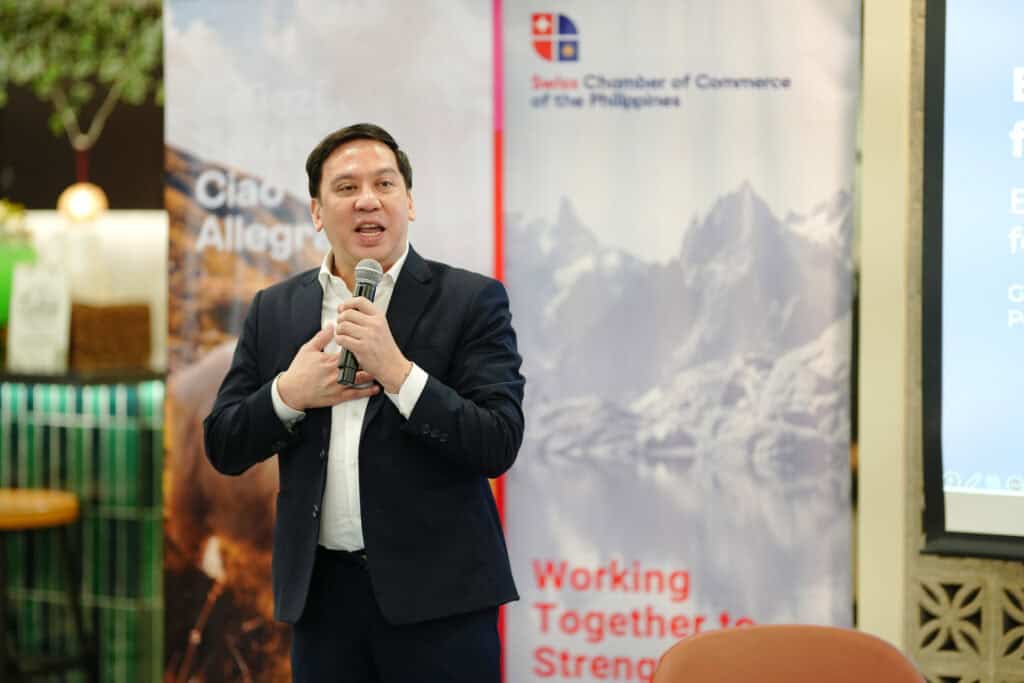
Camasura said this requires a shift away from authority-driven leadership toward more human-centered approaches. “Leadership today is no longer about control—it’s about connection,” he said, noting that employees increasingly look for purpose, belonging, and psychological safety in the workplace. Rather than viewing technology as a substitute for talent, he emphasized its role as an enabler. He described this balance as “Human IT,” where digital tools enhance—rather than replace—human capability.
Sara Odebunmi, Partners Group Chief Diversity Officer and Senior Member of Management, echoed this by underscoring the role of trust in sustaining performance.
“When trust is present, people are more willing to adapt, reskill, and grow,” she said, adding that emerging technologies such as AI should be deployed in ways that support employees and strengthen organizational culture.
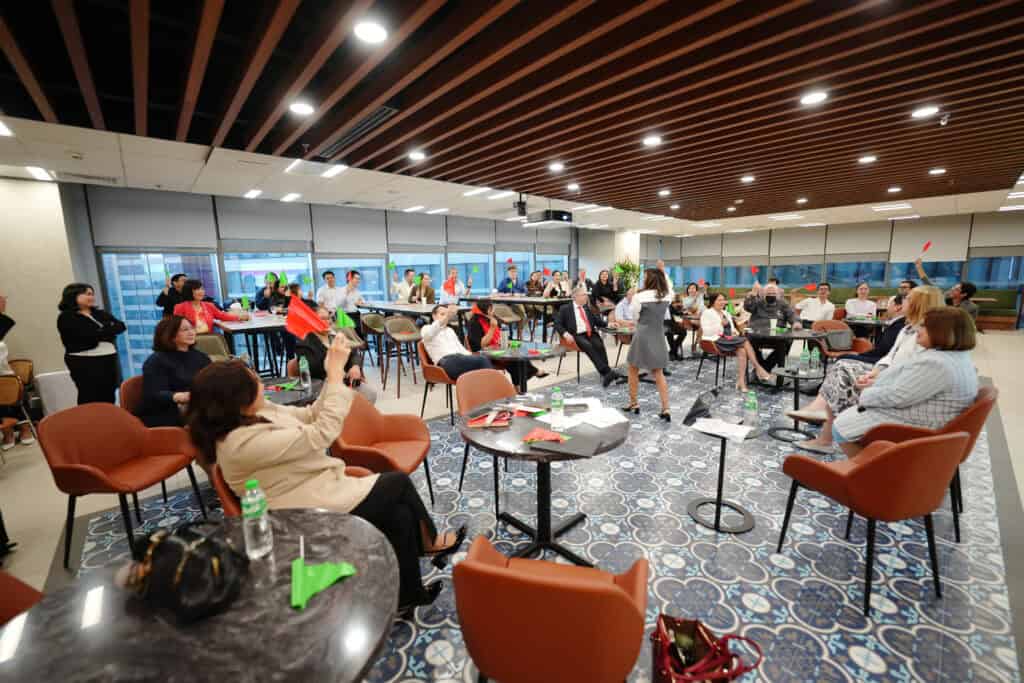
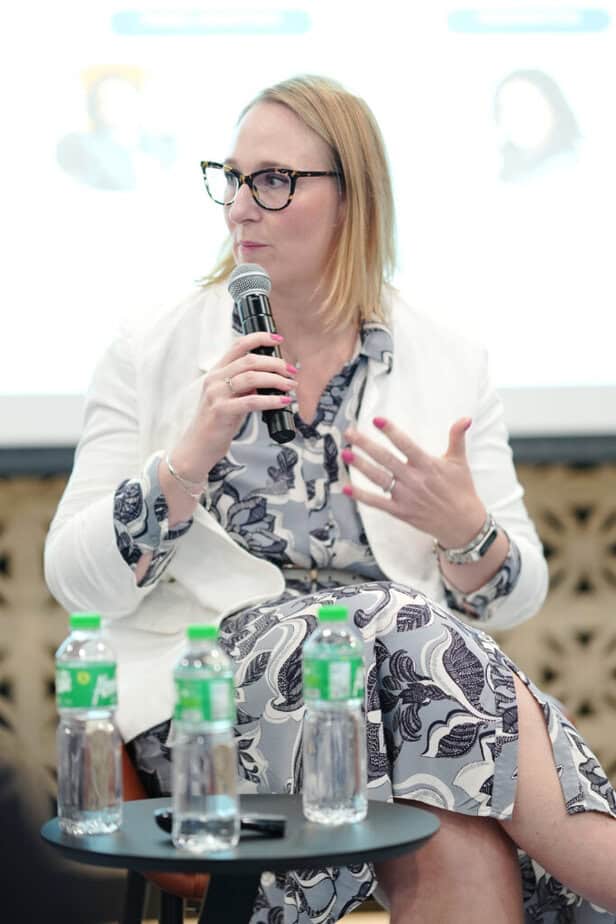
Speakers also highlighted the growing influence of leadership on employee experience and retention. “People don’t leave organizations—they leave leaders,” Camasura said, pointing to the need for managers to create environments where employees feel heard, respected, and empowered.
For Diana Edralin, general manager of Roche Philippines, this begins with aligning individual and organizational values. When these diverge, she said, engagement weakens—making it critical for leaders to embed purpose, integrity, and inclusion into everyday decisions.

“Values serve as a North Star,” Edralin said, emphasizing the importance of helping employees see how their work contributes to a broader mission. She added that organizations must move beyond reactive, compliance-driven cultures toward more open and creative environments that encourage experimentation and shared ownership.
The discussion comes as companies across industries face increasing pressure to balance performance with employee well-being, particularly in the wake of rapid technological change and evolving workforce expectations.
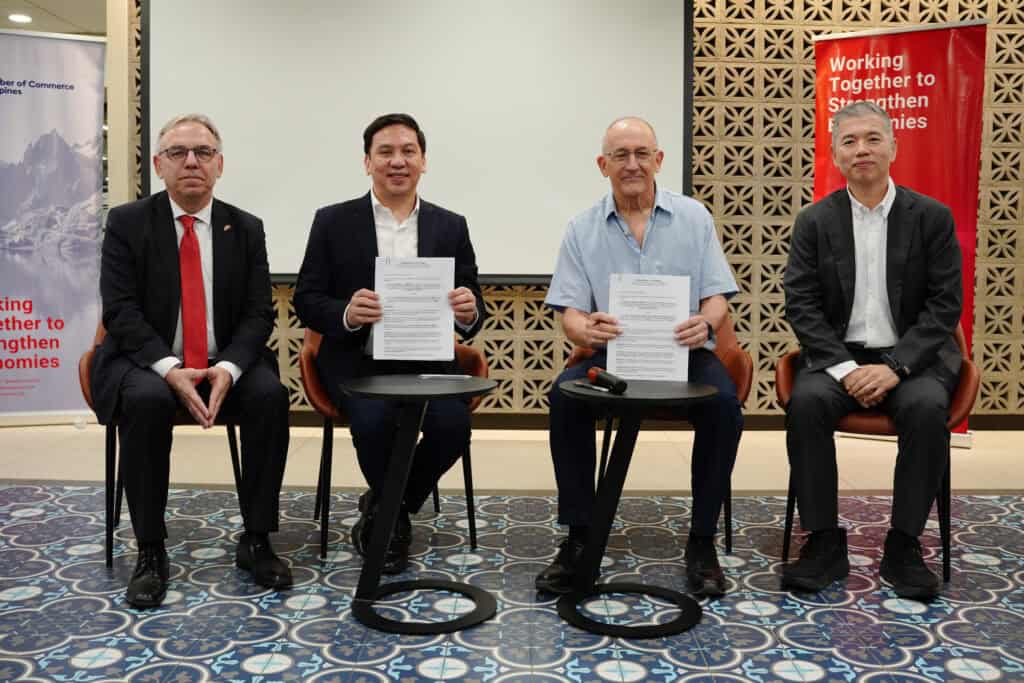
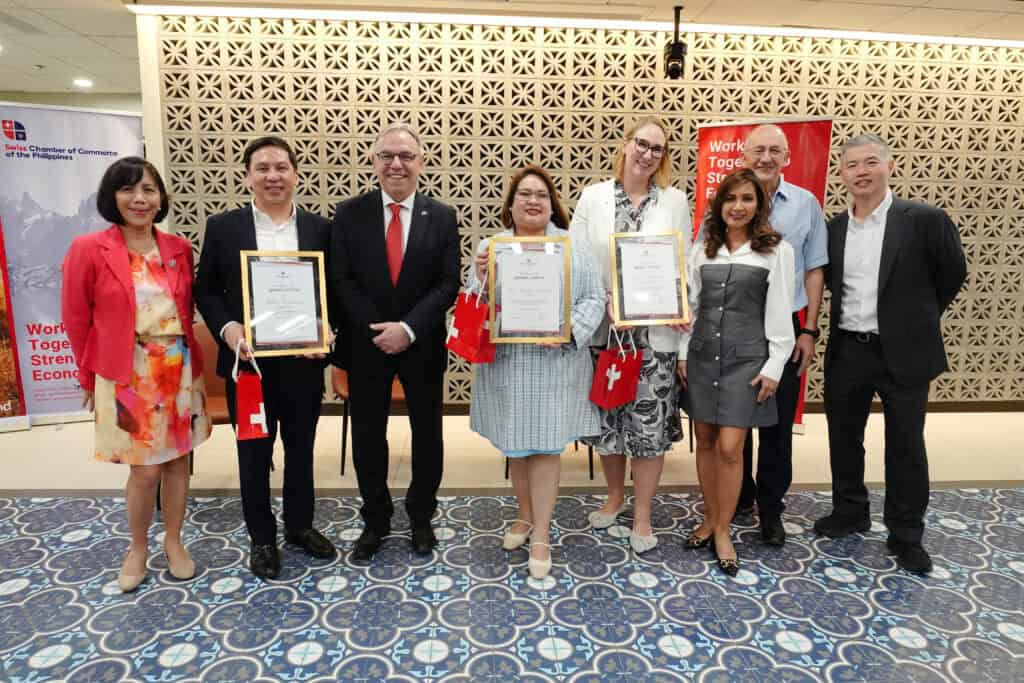
The session concluded with the signing of a memorandum of understanding between the Chamber and PMAP, formalizing a partnership to advance leadership development and promote people-centered workplace practices. The agreement was signed by PMAP President Gilbert Camasura and SwissCham Philippines Chairperson Felix Fiechter, and witnessed by Swiss Ambassador to the Philippines H.E. Dr. Nicolas Brühl and People and Culture Development Committee Chairperson and Novateur Coffee Concepts Inc. Managing Director Patrick Pesengco.
Fiechter closed the session by emphasizing that organizations that invest in their people are better positioned to navigate change and sustain long-term performance. He underscored the importance of people leadership and culture-building in strengthening the business community, noting that strong teams and positive workplace environments enable organizations to thrive.
If there was one clear takeaway, it is this: while technology continues to reshape how businesses operate, it is leadership—grounded in trust, purpose, and human connection—that ultimately determines whether organizations perform or fall behind.